TCAN1044VDRQ1
- Description
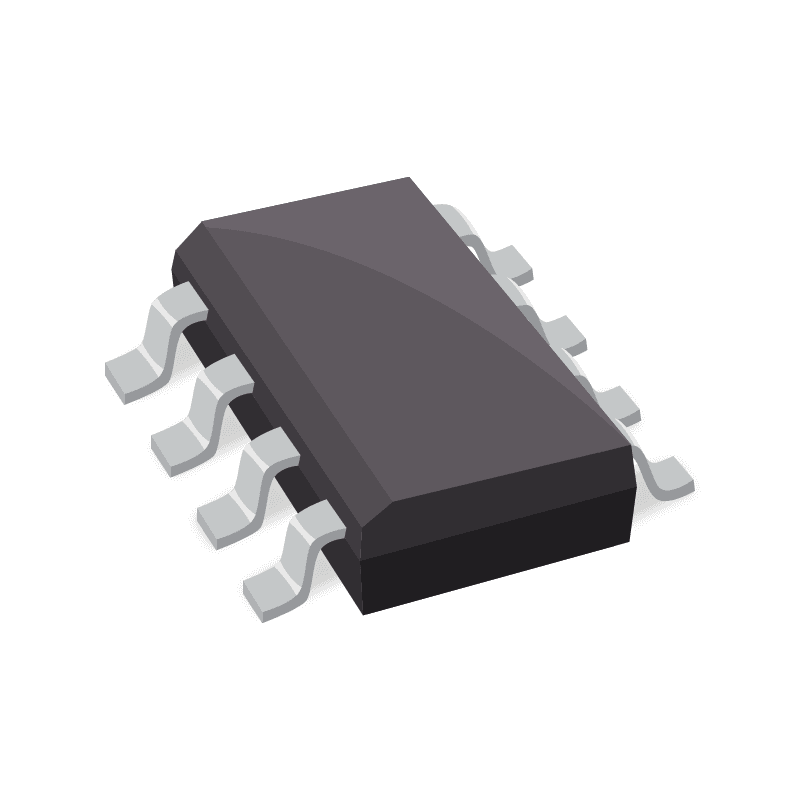
- CAN FD Transceiver Fault-Protected 1.7V to 5.5V 8-Pin SOIC T/R Automotive
- Interface
- CAN
- Datasheet
Quantity
50,000 AvailableLet us do the sourcing. Even if it's not available now, our team can track it down and tailor a solution just for you.
- Fault-Protected Design for Enhanced Reliability
- Operating Voltage Range: 4.5V to 5.5V
- Wide Ambient Temperature Range: -40°C to 125°C
- Compact 8-Pin SOIC Package for Space Efficiency
- Single Transceiver for Simplified Design
The Texas Instruments CAN FD Transceiver is designed for automotive applications requiring reliable communication in harsh environments. This fault-protected transceiver operates within a supply voltage range of 4.5V to 5.5V and is housed in an 8-pin SOIC package. With a robust temperature range from -40°C to 125°C, it ensures optimal performance in demanding conditions. This component is ideal for enhancing the reliability and efficiency of automotive communication systems.
The CAN FD Transceiver is designed for reliable communication in automotive applications, enabling efficient data transmission between electronic control units (ECUs). It supports a wide supply voltage range and operates in harsh automotive environments, making it ideal for use in safety-critical systems. Engineers and developers in the automotive industry utilize this transceiver for integrating CAN bus implementations in vehicles.
Fusion’s in-house quality hubs and Prosemi testing facility are fully certified to meet critical industry standards for electronic component inspection and testing.
Quantity
50,000 AvailableLet us do the sourcing. Even if it's not available now, our team can track it down and tailor a solution just for you.