CDCLVP1208RHDR
- Description
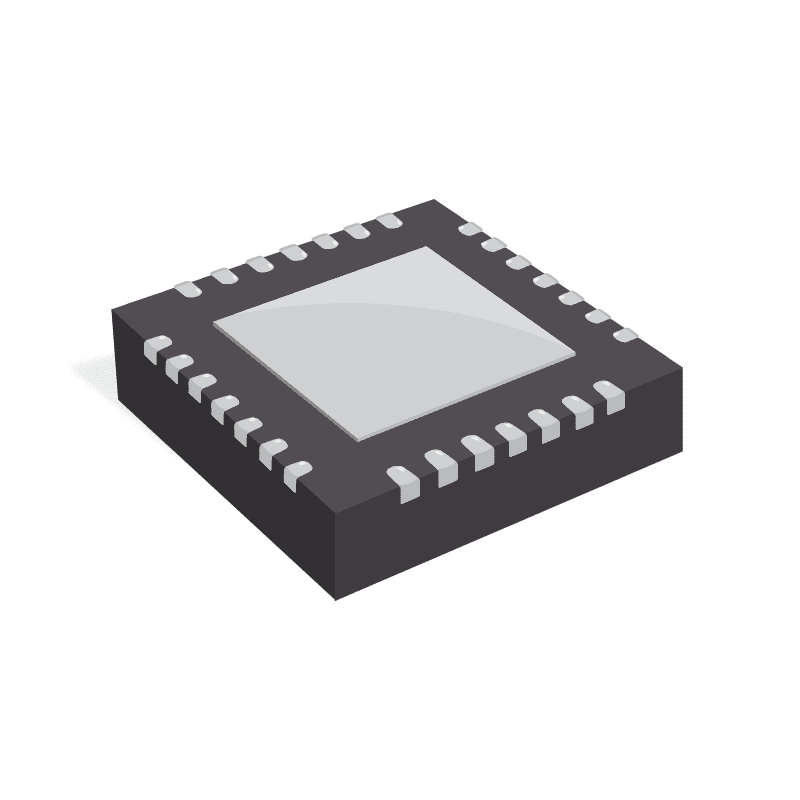
- Low jitter, 2-input selectable 1: 8 universal-to-LVPECL buffer 28-VQFN -40 to 85
- Propagation Delay
- 450ps
- Datasheet
Quantity
Let us do the sourcing. Even if it's not available now, our team can track it down and tailor a solution just for you.
- Low Jitter Performance for Reliable Signal Integrity
- 2G Hz Maximum Frequency for High-Speed Applications
- 28-Pin VQFN Package for Space-Saving Design
- Wide Supply Voltage Range: 2.375V to 3.6V
- Halogen Free and RoHS Compliant for Environmental Safety
The Texas Instruments CDCLVP1208 is a versatile low jitter buffer designed to provide high-performance signal distribution for LVPECL applications. With a compact 28-VQFN package, this buffer supports a maximum frequency of 2G Hz and operates efficiently across a wide temperature range from -40°C to 85°C. It features a selectable 2-input configuration, making it ideal for various clock distribution needs in high-speed digital systems.
The Low Jitter, 2-Input Selectable 1: 8 Universal-to-LVPECL Buffer from Texas Instruments is designed for clock distribution in high-speed digital systems, providing fanout and signal integrity. It supports LVTTL inputs and outputs LVPECL signals, making it ideal for telecommunications and data center applications. Engineers and developers often use it to enhance system performance by minimizing jitter and maintaining signal quality across multiple outputs.
Fusion’s in-house quality hubs and Prosemi testing facility are fully certified to meet critical industry standards for electronic component inspection and testing.
Quantity
Let us do the sourcing. Even if it's not available now, our team can track it down and tailor a solution just for you.