TL431BQDBZRQ1
- Description
- Automotive adjustable precision shunt regulator (pin layout: KRA) 3-SOT-23 -40 to 125
- Temperature Coefficient
- 34ppm/°C
- Max Input Voltage
- 37V
- Output Voltage
- 36V
- Reference Voltage
- 36V
- Datasheet
Quantity
Need this part?
Let us do the sourcing. Even if it's not available now, our team can track it down and tailor a solution just for you.
Let us do the sourcing. Even if it's not available now, our team can track it down and tailor a solution just for you.
Fusion-Tested. Quality Guaranteed.
- Number of Channels: 1
- Cathode Current: 700µA
- Max Input Voltage: 37V
- Max Output Current: 100mA
- Max Output Voltage: 36V
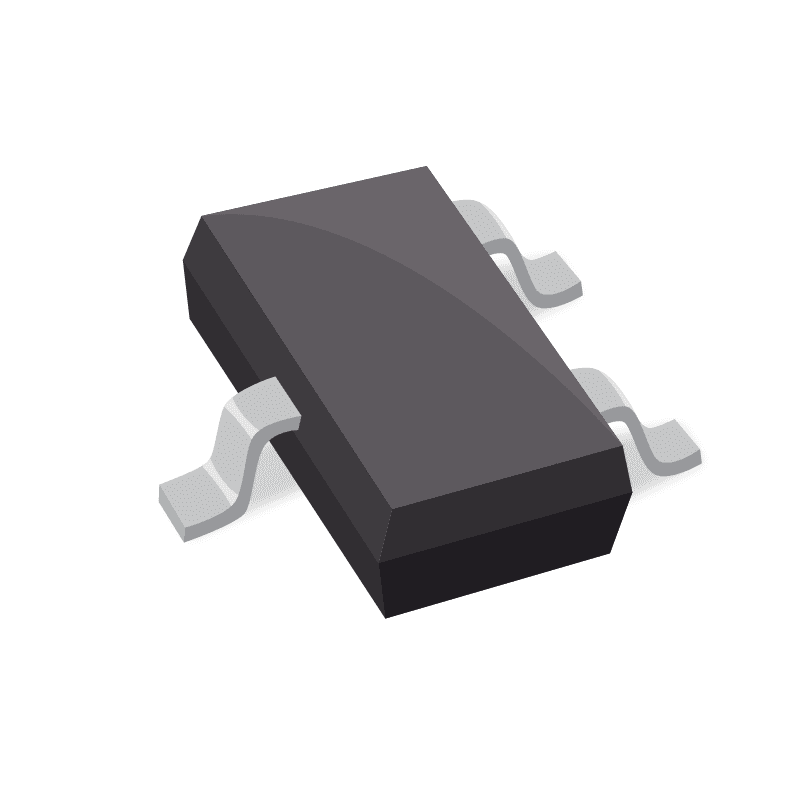
- 3-Pin SOT-23 Package
The Texas Instruments TL431BQDBZRQ1 is a voltage reference. Key specifications include 1-channel operation, 700µA cathode current, 37V max input voltage, 100mA max output current. It is supplied in a 3-pin SOT-23 package. It operates across a -40°C to 125°C temperature range.
Voltage references provide a stable, precise reference voltage for regulators, data converters, and monitoring circuits. Its wide temperature rating suits industrial and automotive designs. Typical users include hardware and system engineers designing this function into their products.
Fusion’s in-house quality hubs and Prosemi testing facility are fully certified to meet critical industry standards for electronic component inspection and testing.
AS6081
AS9120B
ISO 9001
QMS STD 9090
Quantity
Need this part?
Let us do the sourcing. Even if it's not available now, our team can track it down and tailor a solution just for you.
Let us do the sourcing. Even if it's not available now, our team can track it down and tailor a solution just for you.
Fusion-Tested. Quality Guaranteed.
See something worth saving? Create an account to track this part and get alerts on price and availability updates.
The Latest Insights