Let us do the sourcing. Even if it's not available now, our team can track it down and tailor a solution just for you.
Fusion-Tested. Quality Guaranteed.
Combining advanced technology and proprietary data with expert engineering and quality teams to maintain consistent testing standards across all facilities.
Full Specifications
- Number of I/Os
- 328
- Number of Logic Elements/Cells
- 28848
- RAM Size
- 74.3kB
- Max Frequency
- 472.5MHz
- Lifecycle Status
- Production
- Mount
- Surface Mount
- Case/Package
- FBGA
- Number of Pins
- 484
- Number of Logic Blocks (LABs)
- 1803
- Memory Size
- 74.3kB
- Operating Supply Voltage
- 1.2V
- Min Supply Voltage
- 1.15V
- Max Supply Voltage
- 1.25V
- Min Operating Temperature
- 0°C
- Max Operating Temperature
- 85°C
- RoHS
- Compliant
- Height
- 2mm
- Length
- 23mm
- Number of Macrocells
- 28848
- Number of Registers
- 28848
- Radiation Hardening
- No
- REACH SVHC
- Yes
- Schedule B
- 8542390000
- Width
- 23mm
Key Features
- 28, 848 Logic Elements and 28, 848 Registers
- 1, 803 Logic Array Blocks (LABs)
- 328 User I/Os in a 484-Ball FBGA Package
- 74.3kB on-Chip RAM
- 1.2V Core Supply (1.15V to 1.25V)
- 472.5M Hz Maximum Listed Frequency
- 23mm X 23mm package, 0C to 85C, RoHS Compliant
About this Product
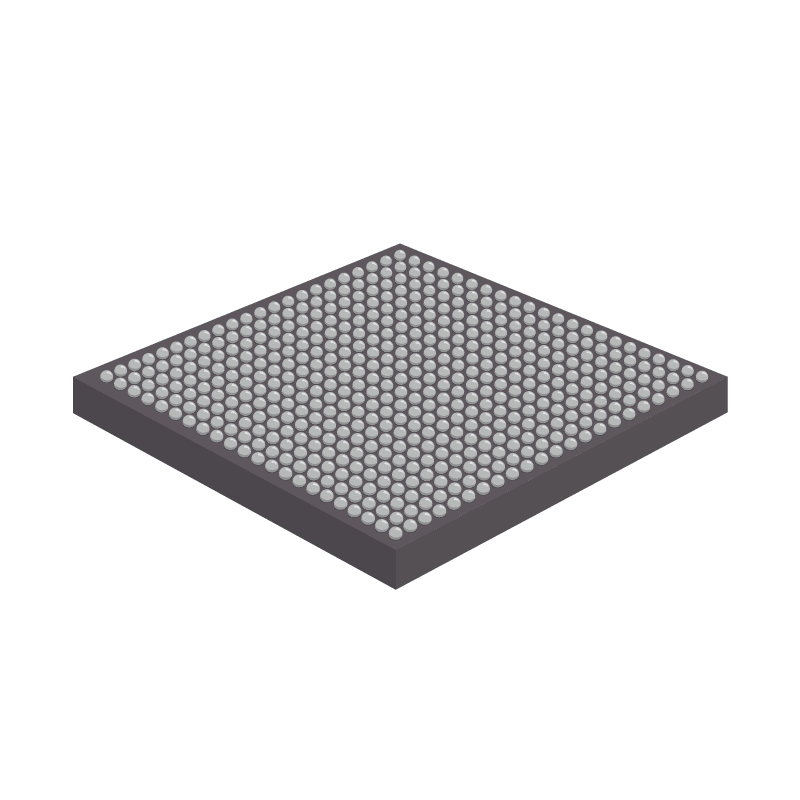
The Intel EP4CE30F23C8N is an FPGA with 28, 848 logic elements and 1, 803 logic array blocks in a 484-ball FBGA package measuring 23mm x 23mm. It provides 328 user I/Os, 28, 848 registers and 74.3kB of on-chip RAM, and runs from a 1.2V core supply (1.15V to 1.25V) with a listed maximum frequency of 472.5M Hz. The EP4CE30F23C8N is rated 0C to 85C, is RoHS compliant, and is listed in production status.
Common Uses
What is the Intel EP4CE30F23C8N FPGA Used For?
An FPGA in this logic-element class handles real-time signal processing, protocol bridging and custom interface logic that a microcontroller cannot do fast enough and an ASIC cannot justify at volume. Typical designs include industrial machine vision and motor control, video and image processing, medical instruments, communications line cards, and test and measurement equipment. Hardware teams also use mid-density FPGAs to consolidate glue logic and legacy bus interfaces, and the 484-ball package and I/O count are usually what fix the choice on an existing board.
Certifications & Memberships
Fusion’s in-house quality hubs and Prosemi testing facility are fully certified to meet critical industry standards for electronic component inspection and testing.
Let us do the sourcing. Even if it's not available now, our team can track it down and tailor a solution just for you.
Fusion-Tested. Quality Guaranteed.
Combining advanced technology and proprietary data with expert engineering and quality teams to maintain consistent testing standards across all facilities.