10M04SCU169C8G
- Description
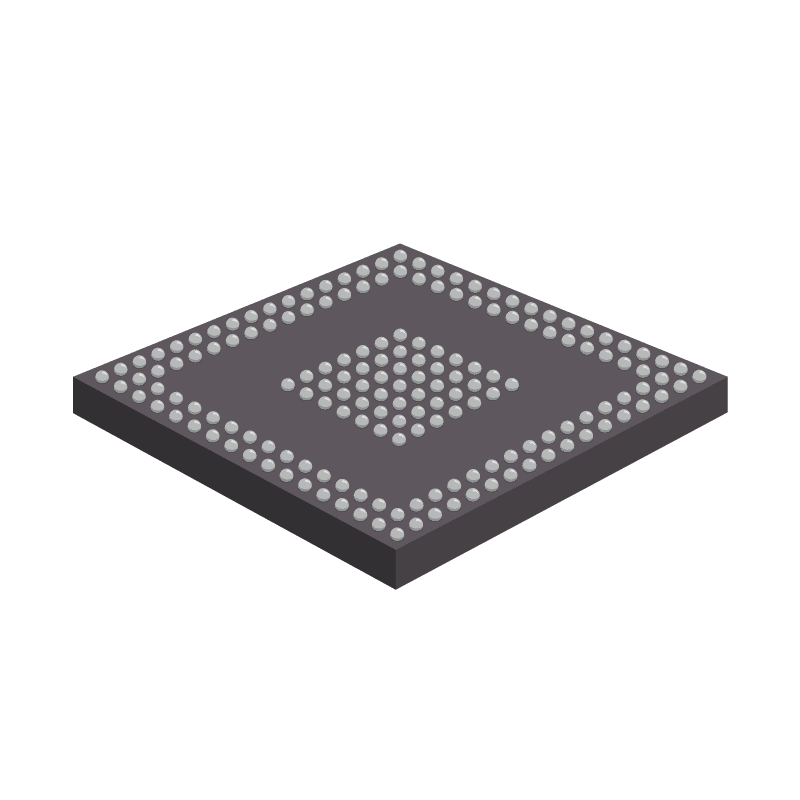
- FPGA MAX 10 Family 4000 Cells 55nm Technology 3.3V 169-Pin UFBGA
- Number of I/Os
- 130
- Number of Logic Elements/Cells
- 4000
- RAM Size
- 23.6kB
- Datasheet
Quantity
Let us do the sourcing. Even if it's not available now, our team can track it down and tailor a solution just for you.
- 4000 Logic Elements for High Density Designs
- 250 Logic Blocks for Enhanced Performance
- 130 I/O Pins for Versatile Connectivity
- 23.6kB RAM Size for Efficient Data Handling
- Surface Mount Technology for Space Efficiency
- Operating Temperature Range: 0°C to 85°C
The Intel FPGA MAX 10 Family is a versatile and powerful field-programmable gate array designed for a wide range of applications. With 4000 logic cells and advanced 55nm technology, this FPGA delivers exceptional performance and efficiency. It features a compact 169-pin UFBGA package, making it suitable for space-constrained designs. The MAX 10 is ideal for applications requiring high logic density and flexibility, providing designers with the tools needed to create innovative solutions.
The FPGA MAX 10 Family is designed for a variety of applications, including digital signal processing, embedded systems, and industrial automation. With 4000 logic elements and a high I/O count, it is suitable for both low- and high-performance tasks. Engineers and developers in fields such as telecommunications and automotive use this FPGA to create customizable hardware solutions.
Fusion’s in-house quality hubs and Prosemi testing facility are fully certified to meet critical industry standards for electronic component inspection and testing.
Quantity
Let us do the sourcing. Even if it's not available now, our team can track it down and tailor a solution just for you.